Beyond the Postcard: Must-See Destinations Just Outside Cusco That Few People Visit
Cusco is more than just a region with unique tourist attractions; it’s a hub of energy that extends far beyond its limestone walls. While most travelers arrive with their sights set on the Inca citadel alone, the true spirit of the Andes can be found in the silence of the surrounding provinces. In 2026, it's not just about arriving, but also about connecting.
If you want to escape the hustle and bustle of the Plaza de Armas and venture into dreamlike landscapes, these places outside Cusco will change your perception of the navel of the world.
1. Tipón: The Whispering Aqueduct of the Ancestors
Just 23 kilometers southeast lies what many modern architects consider a masterpiece of hydraulic engineering. Tipón is more than just a series of terraces; it is a temple dedicated to water. Here, channels carved into stone carry this vital liquid with rhythmic precision that has endured for centuries. Tipón is the ideal place to understand the Andean worldview, in which nature is not dominated but rather choreographed.
2. Waqrapukara: The Fortress Among the Clouds
If you’re looking for a destination that will challenge your senses, put the traditional Inca Trail aside for a moment. Waqrapukara, located in the province of Acomayo, is an impressive structure that appears to rise directly from the horns of a rocky mountain. This "horned fortress" is less crowded than any other archaeological site and offers a unique introspective experience against the backdrop of the imposing Apurímac River Canyon. The trek to reach it is demanding, but the reward is silence broken only by the wind and the flight of condors.
3. The Southern Valley: The Route of Contrasts
While the Sacred Valley tends to get all the attention, the Southern Valley offers a fascinating visual timeline.
- Pikillaqta: This pre-Inca city of the Wari culture has a striking orthogonal urban layout, reminding us that large-scale empires existed before the Incas.
- Andahuaylillas: This colonial church, known as the “Sistine Chapel of the Americas,” is a feast for the eyes. Its interior is covered in gold leaf and adorned with frescoes from the Cusco School that tell the story of the fusion—sometimes forced, always artistic—between two worlds.
4. Choquequirao: Machu Picchu’s Rebellious Sister
Reaching Choquequirao is a true rite of passage. There are no luxury trains or express buses. It's just you, your hiking boots, and a multi-day hike to a citadel that's only about 30% excavated. Exploring the nearly deserted ruins, surrounded by jungle vegetation reclaiming its territory, is the closest you’ll come to feeling like a 19th-century explorer.
5. The Maras Salt Mines and the Moray Laboratory
They are more popular now, but they will remain crucial in 2026 due to their aesthetic and practical appeal.
- Maras: Thousands of white salt pools contrast with the green mountains, creating a visual mosaic that changes with the sunlight.
- Moray: These concentric circles served as a center for agricultural experimentation. Each level has a distinct microclimate, enabling the Incas to cultivate plants from various altitudes in one place. Moray is quite literally ancient science carved into the earth.
6. Q’eswachaka Bridge: The Last Woven Link
Every year in the province of Canchis, time seems to stand still when the communities gather to rebuild the Q'eswachaka Bridge. It is the only remaining Inca bridge built entirely of ichu, a plant fiber. The bridge is more than just a means of transportation; it is a living structure that embodies tradition and community work (ayni). Crossing it allows you to feel the fragility and strength of a culture that refuses to disappear beneath your feet.
7. Tres Cruces de Oro: The Balcony of the East
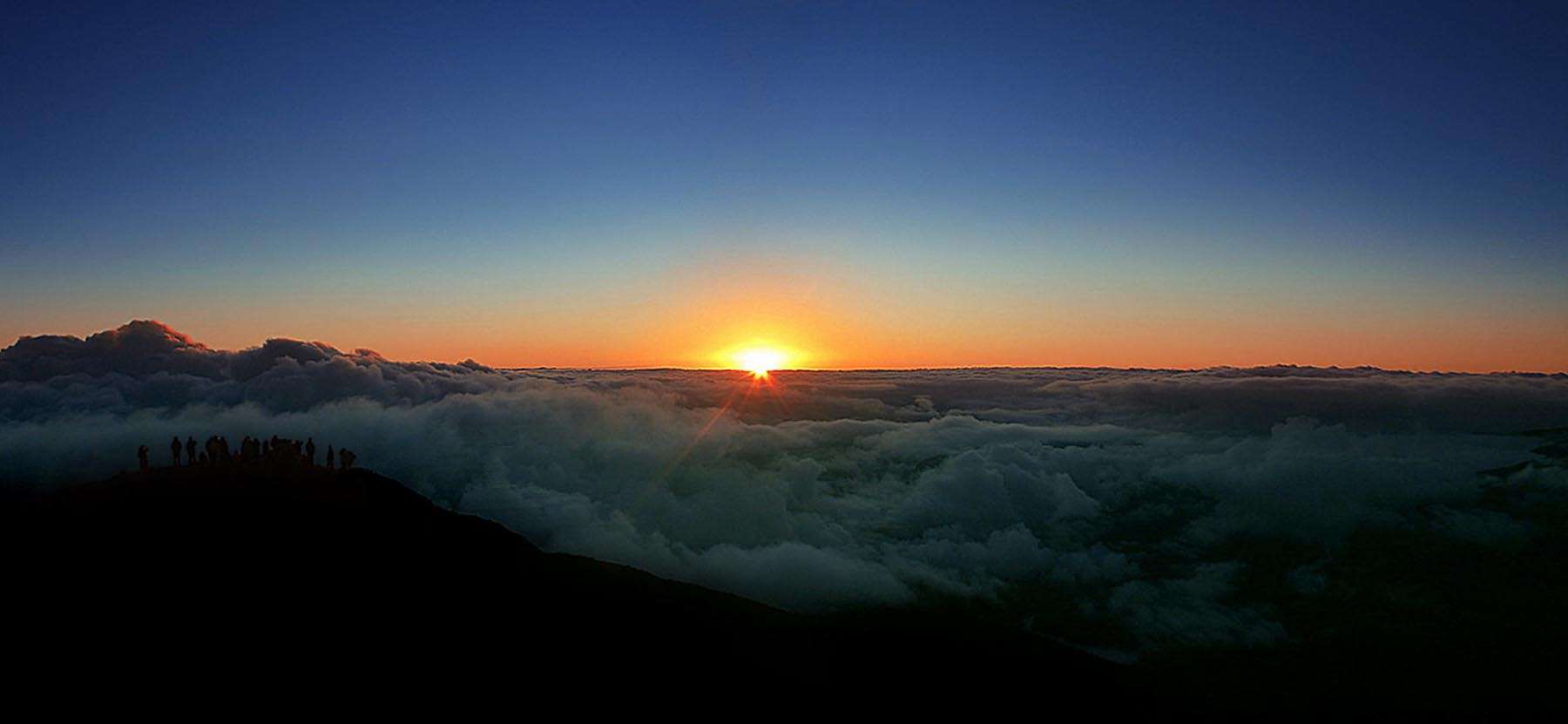
This viewpoint in Paucartambo is famous for the "white lightning" phenomenon. During June and July, sunlight refracts through the clouds over the Manu rainforest, creating the illusion of multiple suns or fiery crosses at sunrise. This psychedelic natural spectacle attracts photographers and mystics from all over the world.
Comparison Chart: Effort vs. Visual Reward
| Attractive | Difficulty Level | Type of Experience | Approx. distance (Cusco) |
| Type | Low | Landscaping / History | 45 min |
| Waqrapukara | High | Trekking / Mysticism | 3.5 hours |
| Pikillaqta | Low | Wari Archeology | 1 hour |
| Choquequirao | Very High | Adventure extreme | 2 days of walking |
| Q’eswachaka | Medium | Living Culture | 4 hours |
Tips for your off-the-beaten-path adventure
To fully enjoy these tourist attractions, it is essential to acclimate. Don't try to climb Waqrapukara on your first day. Instead, spend the first 48 hours exploring the Southern Valley or the San Blas neighborhood. Although connectivity will have improved by 2026, it’s still important to carry soles to support the small communities that preserve these treasures.
Cusco is an endless book. If you only read the chapter on Machu Picchu, you’ll miss the most exciting story in the Andes. Leave the city, breathe in the thin air of the highlands, and let the stones reveal their secrets to you.